Zepbound Side Effects: The Complete 2026 Guide
What Is Zepbound?
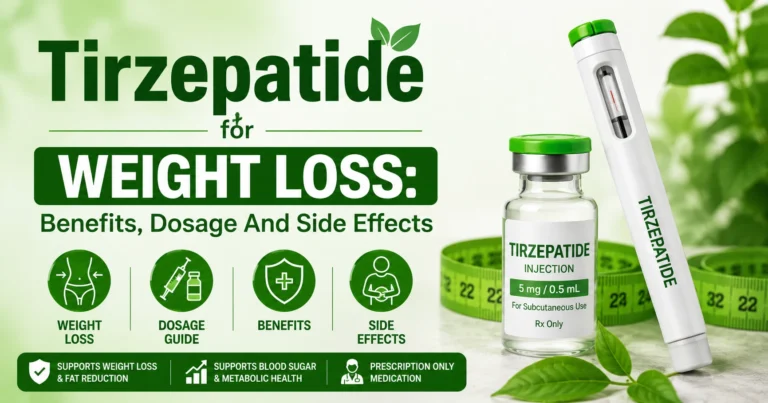
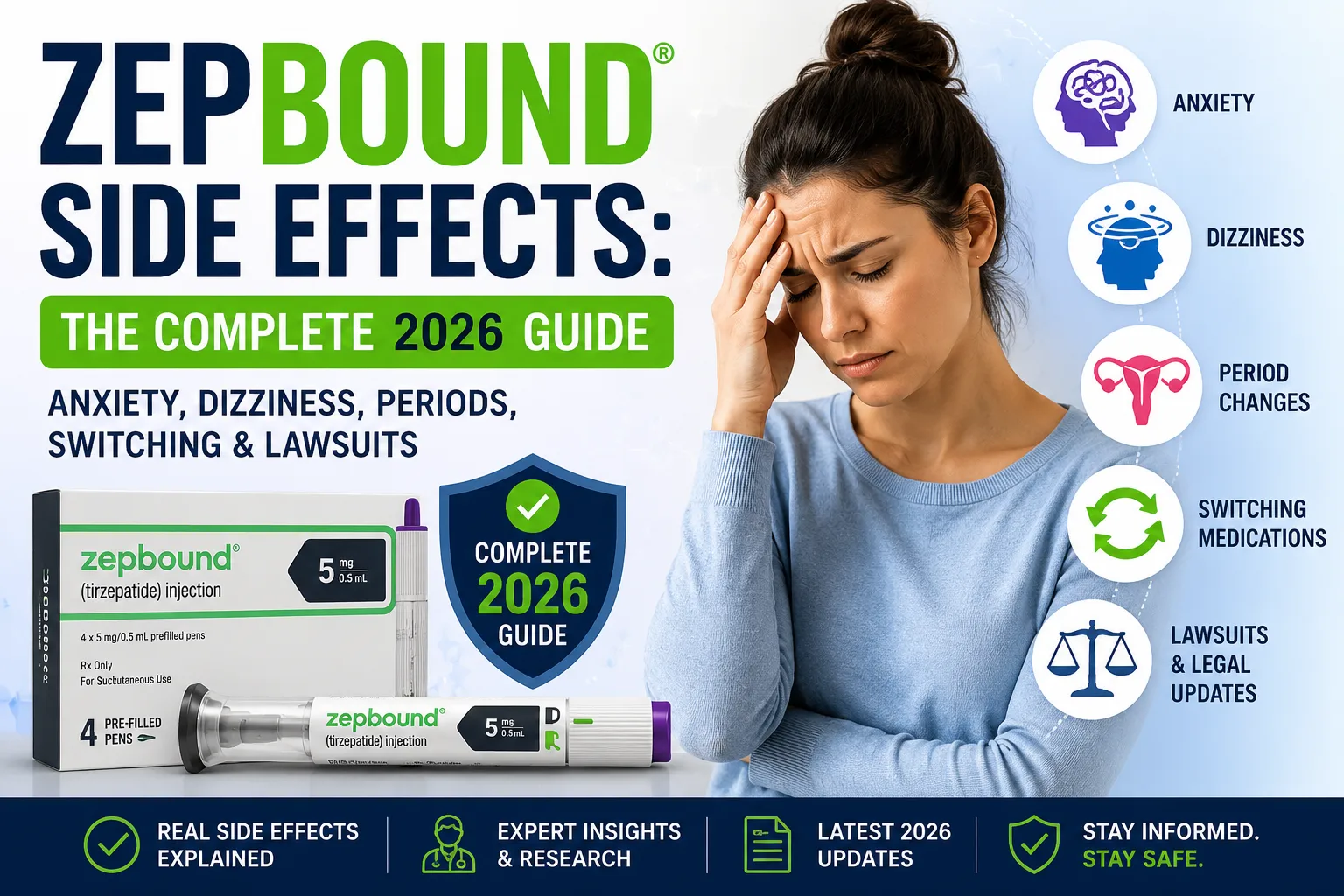
Zepbound – tirzepatide is a dual GIP/GLP-1 receptor agonist which is approved by the FDA for chronic weight loss management. Most common Zepbound side effects are gastrointestinal issues like nausea, diarrhea and constipation but some users experience dizziness, cold intolerance, injection site reactions and changes in menstrual cycle that are not listed on the drug label. Below each problem is discussed individually with cited data.
What to Expect After Your First Dose of Zepbound
Most people tolerate the starting 2.5 mg dose easily, As this dose is sub therapeutic and meant to let your digestive system adjust. According to FDA trial data, Gastrointestinal symptoms begin within hours to a day of the first injection of Zepbound and peak between 24–72 hours. Nausea lasts for 3–4 days, diarrhea about 3 days and vomiting lasts for 1–2 days. There is mild redness on the injection site, fatigue and a temporary reduction in appetite are also common in week one.
Realistic first dose timeline:
1 to 24 Hours: Little to no noticeable side effects for many users and some report mild nausea or a “full” feeling after small meals.
Days 2 to 4: GI symptoms occur during these days.
Week 2 still on 2.5 mg: Most first dose symptoms ease as the body adjusts.
Week 5 first dose increases to 5 mg: A milder repeat of the adjustment period is common, though usually less intense than week one
To Calculate the exact dose of Zepbound you can use Tirzepatide dosage calculator to avoid mistakes in dose calculations.
Does Zepbound Cause Anxiety?
Current evidence does not show that Zepbound directly causes anxiety as a pharmacological effect because anxiety is not listed as a common adverse reaction in the FDA prescribing information. However, a University of Pennsylvania analysis of real-world GLP-1 user reports on Reddit found that roughly 13% of users mentioned anxiety, depression, or insomnia, a rate the official label doesn’t capture. Much of this appears mechanically explained rather than a direct drug effect: dehydration, lower blood sugar, and the psychological adjustment of significant appetite and eating-pattern changes can all produce anxiety-like symptoms
Does Zepbound Cause Dizziness?
Yes, dizziness is a real and fairly commonly reported Zepbound side effect, though it’s driven by several distinct, mostly manageable mechanisms rather than one direct cause. A UPenn Reddit-based analysis found dizziness mentioned in more than 5% of real-world reports — higher than what many patients expect going in.
The four most common mechanisms:
Dehydration — Due to reduced appetite fluid intake is reduced. Nausea/vomiting also cause fluid loss.
Low blood sugar (hypoglycemia) is more relevant if you are also on insulin or a sulfonylurea. Symptoms of hypoglycemia include lightheadedness, shakiness and confusion.
Orthostatic hypotension — In this blood pressure drop when standing it is worsened by dehydration.
Mild vasodilation — GLP-1/GIP agonism can modestly lower blood pressure in some patients.
Zepbound and Acid Reflux
Acid reflux – gastroesophageal reflux – is a known side effect of Zepbound. Because tirzepatide slows gastric emptying. It increases the fullness and reduces appetite due to which food and stomach acid stay in the stomach for a long time, which increases the chance of acid moving back up into the esophagus.
Does Zepbound Affect Your Period? (Zepbound Period Changes)
Menstrual cycle changes are not listed as an official side effect in Zepbound’s FDA prescribing information, but real-world data tell a more complicated story. A 2024 self-reported analysis from the Natural Cycles app found that 27% of GLP-1 users noticed cycle changes after starting treatment, rising to 43% among users with PCOS.
According to 2025 data obtained from a tirzepatide clinic tracking 312 women under age of 45 years found 28% reported at least one missed period within the first 6 months of tirzeptide use, with 89% of those women returning to regular menstrual cycles by month 9.
Tirzepatide does not directly target the reproductive hormones like estrogen or progesterone. The link is largely indirect, running through:
Rapid weight loss by reducing estrogen: Fat tissue produces estrogen, so significant fat loss can temporarily lower estrogen levels that is enough to disturb the menstrual cycle timing.
The hypothalamic pituitary ovarian (HPO) axis reacting to metabolic change — the same hormonal feedback system that regulates hunger also has relation with reproductive hormone signaling.
For women with PCOS specifically, GLP-1 therapy often improves menstrual regularity over time by improving insulin sensitivity and lowering testosterone, even though the initial adjustment period can look like irregularity.
A missed period that lasts more than 60 days on Zepbound needs a pregnancy test and medical evaluation both because fertility can improve highly on GLP-1 therapy.
You Can use our General peptide Dosage calculator for accurate dose calculation of peptides.
Does Zepbound Make You Cold?
Yes — feeling cold is a real Zepbound side effect. Phase 3 tirzepatide trial data documented cold intolerance in 5–12% of zepbound users most commonly in weeks 2–8. Notably this side effect did not correlate with dose level.
Why it happens: Two mechanisms are responsible.
First, simple thermodynamics — less body fat means less insulation, and eating fewer calories means less metabolic “furnace” activity generating heat.
The second mechanism is GIP/GLP-1 receptor activation in the hypothalamus may shift your body’s internal temperature to low. It is the same as the neural region that stimulates both appetite and thermoregulation. Persistent cold intolerance causes fatigue, hair loss or a notably slow heart rate.
Zepbound Injection Site Itchy — What Causes It and When to Worry
Mild redness, itching or a small welt at the injection site is common which is harmless reaction to Zepbound. It typically resolves within a day or two. Rotating injection sites like abdomen, thigh and upper arm. Letting the pen reach room temperature before injecting can reduce these signs.
When it’s not just local irritation: Hypersensitivity reactions occurred in about 5% of Zepbound trial participants versus 3% on placebo, per the FDA label. True allergic reactions — hives spreading beyond the injection site, swelling of the face, lips, or throat, or difficulty breathing — are medical emergencies distinct from ordinary injection-site itching and require immediate care, not home management.
Switching From Wegovy to Zepbound — Side Effects to Expect
Switching from Wegovy (semaglutide, GLP-1 only) to Zepbound (tirzepatide, dual GIP/GLP-1) generally means restarting titration at Zepbound’s 2.5 mg starting dose, which can bring a repeat adjustment period even if you were already at a higher Wegovy maintenance dose. Common transition-period effects include nausea, loose stools, mild fatigue, and — somewhat counterintuitively — a temporary increase in appetite for the first 3–6 weeks, since you’re starting Zepbound lower than your prior Wegovy maintenance dose.
What’s genuinely different about Zepbound vs. Wegovy side effects:
The dual GIP/GLP-1 mechanism produces somewhat milder nausea for many switchers, though this isn’t universal.
At Zepbound’s higher dose of 15 mg, dysesthesia mean abnormal tingling/burning skin sensation was reported in trials at 22% vs. 6% at the standard dose — a meaningfully different side effect profile than Wegovy.
The head to head SURMOUNT-5 trial (Aronne et al., New England Journal of Medicine, July 2025) directly compared tirzepatide to semaglutide for obesity treatment. It is the most authentic published source for comparing the two peptides rather than relying on anecdotal switcher reports alone.
Both drugs have the same FDA black box warning regarding thyroid C-cell tumor risk based on rodent data and the same contraindication for a personal or family history of medullary thyroid carcinoma or MEN2 syndrome. So switching between them does not change this underlying risk category.
Zepbound Lawsuits — 2026 Status Update
As of 2026, Zepbound – tirzepatide broadly, including Mounjaro is the subject of active multidistrict litigation – MDL – in the U.S. federal court. Plaintiffs allege manufacturer Eli Lilly failed to warn patients and physicians about the risk of severe gastrointestinal complications due to these products like gastroparesis known as delayed stomach emptying, ileus functional bowel obstruction and pancreatitis.
Key facts as of 2026:
Approximately 3,300–3,600+ lawsuits related to GLP-1 drugs including Zepbound and Ozempic/Wegovy have been consolidated into federal MDL proceedings.
A separate MDL No. 3163 was created in December 2025 specifically for vision loss claims involving non-arteritic anterior ischemic optic neuropathy -NAION, a rare eye condition linked in emerging research to GLP-1 use. As of April 2026 roughly 73–86 NAION cases were pending.
Bellwether trials — early test cases used to gauge how juries respond, which often shape eventual settlement negotiations — are expected to begin shaping outcomes through 2026–2027.
Eli Lilly has filed motions to dismiss numerous claims, and settlement amounts, if any, remain unknown and likely years away.
Separately, Eli Lilly has issued warnings about compounded tirzepatide products — versions made by compounding pharmacies, sometimes with added ingredients like B12 — cautioning that these additives may carry unknown risks and are not the same as the FDA-approved product.
What this means practically: an active MDL reflects allegations under review, not a determination that Zepbound caused any individual’s injury. Anyone experiencing a serious GI event or vision change while on Zepbound should seek medical evaluation first; whether it relates to a legal claim is a separate question best discussed with an attorney, not something this article can determine.
Frequently Asked Questions
Does Zepbound cause anxiety?
Zepbound isn’t officially listed as causing anxiety, but real-world reports put the rate of anxiety, depression, or insomnia mentions around 13% among GLP-1 users — often explained by dehydration, low blood sugar, or the psychological adjustment to major appetite changes rather than a direct drug effect.
What should I expect after my first Zepbound dose?
Most first-dose effects are mild since the starting 2.5 mg dose is intentionally low. GI symptoms, if they occur, typically begin within a day and peak at 24–72 hours, easing by the second week.
Can Zepbound cause acid reflux?
Yes — because tirzepatide slows gastric emptying, food and acid remain in the stomach longer, which can increase reflux, especially after large or fatty meals.
Does Zepbound cause dizziness?
Yes, in more than 5% of real-world users per one analysis, most often from dehydration, low blood sugar, or a mild blood-pressure drop rather than a single direct mechanism.
Does Zepbound affect your period?
It’s not an official listed side effect, but self-reported data shows roughly 27% of GLP-1 users (43% with PCOS) notice cycle changes, largely due to rapid weight loss temporarily lowering estrogen rather than a direct hormonal effect of the drug.
Is it normal for the Zepbound injection site to be itchy?
Mild, short lived itching or redness at the injection site is common and not harmful. Itching that spreads beyond the site or comes with facial swelling or breathing difficulty, requires immediate medical attention as a possible allergic reaction.
Are there active Zepbound lawsuits in 2026?
Yes, thousands of cases alleging gastroparesis, ileus, and pancreatitis are consolidated in federal MDL proceedings, along with a separate MDL for vision-loss (NAION) claims — these are pending allegations, not proven causation.
What side effects happen when switching from Wegovy to Zepbound?
Expect a repeat adjustment period — nausea, loose stools, fatigue, and sometimes a temporary appetite increase — since Zepbound restarts at a lower titration dose than your prior Wegovy maintenance dose.